Rauland Australia

Why aged care needs better communication, reporting and operational visibility

Aged Care

Share:

Walk through almost any residential aged care home and you’ll see extraordinary people doing extraordinary work.


Care teams balancing the demands of daily support with compassionate conversations. Nurses making complex clinical decisions while continuing to provide reassurance and guidance. Lifestyle teams creating moments of joy in what can otherwise be difficult days. Managers trying to improve quality while navigating workforce shortages, compliance obligations and rising expectations from families.


Despite the complexity, care continues. What has changed, however, is the environment in which that care is delivered. Across Australia and New Zealand, aged care providers are increasingly constrained by disconnected systems managing critical care challenges such as falls, wandering, staff communication and reporting. The result is operational inefficiency, inconsistent data, delayed response times and limited visibility across sites – at a time when expectations for compliance, safety and care quality have never been higher. 


Residents are entering aged care later in life, often with more complex care needs. Workforce shortages continue to stretch already busy teams, while providers are expected to demonstrate higher standards of governance, stronger reporting and safer care than ever before. These are positive expectations, but they also intensify the pressure on the systems underpinning frontline teams.


The on-ground perspective

Between 2023-2025, a series of site surveys conducted across 18 residential aged care facilities provided an interesting perspective. More than 220 risks and opportunities for improvement were identified, yet the most significant finding was not the number of observations. It was the consistency. Regardless of provider, location or the age of the building, the same operational issues surfaced repeatedly.


Staff communication failures, between staff and residents and among care teams, emerged as the most common challenge, followed by ageing nurse call infrastructure, limited reporting visibility, falls management and gaps in resident location awareness. What stood out was that communication and reporting together accounted for around half of all issues identified across all facilities.  


When patterns emerge with this level of consistency, they warrant closer attention. While the findings do not point to a single cause, they do suggest that many providers are experiencing similar operational pressures as models of care continue to evolve.

In many cases, existing systems and processes are being asked to support a level of complexity and coordination they were not originally designed to manage.

Different facilities experienced these challenges in different ways, but the underlying pattern remained consistent. There is a pressing need to help information move more effectively between residents and care teams, while giving providers greater visibility through reporting and insights.

The recurring theme

The surveys also identified clear and recurring causes: alerts that were delayed or failed to reach staff, shortages of reliable handsets, heavy reliance on old style ‘one line’ annunciators, systems that did not communicate with one another and reporting that required significant manual effort or provided little useful insight. In some facilities, staff carried multiple devices or relied on workarounds to communicate and respond to calls. In others, managers struggled to access accurate response-time data or distinguish between different types of events.


These were not isolated technology problems. They were creating additional steps for staff, making it harder to get the right information to the right person and limiting the visibility needed to understand what was happening across a facility. The issues also point to a clear mismatch between how some systems were originally designed to work and what care teams now need from them. Nurse call is a good example of this shift.


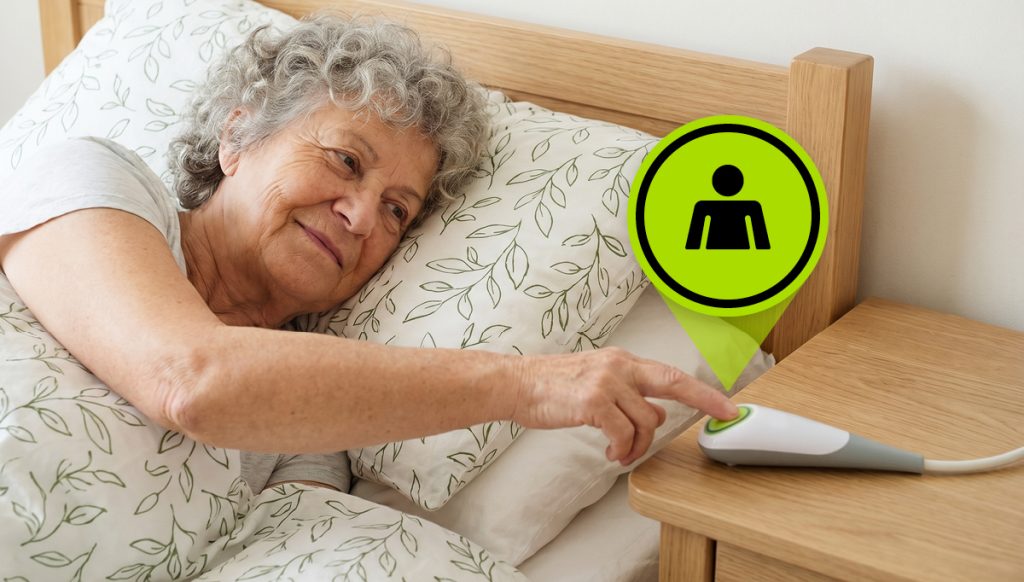
For many years, nurse call systems served a relatively straightforward purpose in residential aged care facilities: enable a resident to request assistance and notify a caregiver that help was required. That basic function remains essential. But as care has become more complex and teams more mobile, the role of communication has expanded well beyond answering a resident call.


That expectation hasn’t changed. Everything around it has.

Today’s care environment depends on constant communication. Staff rarely remain in one place. Information needs to move quickly between caregivers, nurses and managers. Clinical decisions increasingly rely on timely, accurate information, while leaders need visibility that extends well beyond whether a call was answered.

They need to understand why delays occur, where workloads are increasing and how care can be improved before issues become incidents.

It is therefore unsurprising that communication emerged as the most common risk identified during the surveys. Across many facilities, staff continued to rely on shared mobile phones, annunciator panels or manual escalation processes that provided limited assurance that information had reached the right person at the right time. 


Delays were rarely the result of poor clinical practice; more often they reflected systems that had become progressively more difficult to adapt to contemporary workflows.


From fragmented information to coordinated care

The surveys revealed a similar story in relation to operational visibility. Many organisations still depend on spreadsheets, manual audits and retrospective reporting to understand response times and identify trends. These approaches undoubtedly provide useful information, but they do so only after significant administrative effort. More importantly, they offer limited opportunities to intervene before small operational issues begin to affect resident care or staff workload.


The good news is that providers do not need to wait for a major technology project to understand where the problems are. The first step can be as simple as walking the site with the people who use these systems every day. Mapping how a resident call or urgent message moves through the facility, can reveal where staff rely on workarounds, switch between devices or lack confidence that information has reached the right person.


Bringing the nurse call expert, communications provider, a clinical technology specialist and internal IT team into the assessment can help identify infrastructure, coverage, escalation and reporting gaps. A site was can also provide an opportunity to see how systems perform in practice, rather than relying solely on what they were designed to do. Thereafter, the findings can then be used to prioritise the issues creating the greatest risk or workload, while providing a practical foundation for longer-term investment.


Falls prevention highlighted another important shift in the sector. Traditional monitoring technologies remain widely used, yet many providers reported challenges associated with false alarms, alert fatigue and limited resident location awareness. These findings reinforce an increasingly important principle in aged care: generating more alerts does not necessarily create safer care. Information only becomes valuable when it helps staff make better decisions, prioritise effectively and respond with confidence.


What emerged most clearly from the surveys was not a catalogue of individual technology and operational issues, but a picture of organisations working exceptionally hard to overcome the limitations of systems and processes supporting them. Across the facilities visited, staff continued to deliver compassionate, responsive care despite systems that required additional manual processes, duplicated communication or workarounds developed through experience.


From connected systems to coordinated care: the role of Concentric Care Unify

As providers look ahead, the conversation is gradually shifting away from replacing individual systems and towards improving how information flows across an organisation. Communication, resident monitoring, staff safety and reporting are increasingly interconnected and each influences the quality of care delivered.

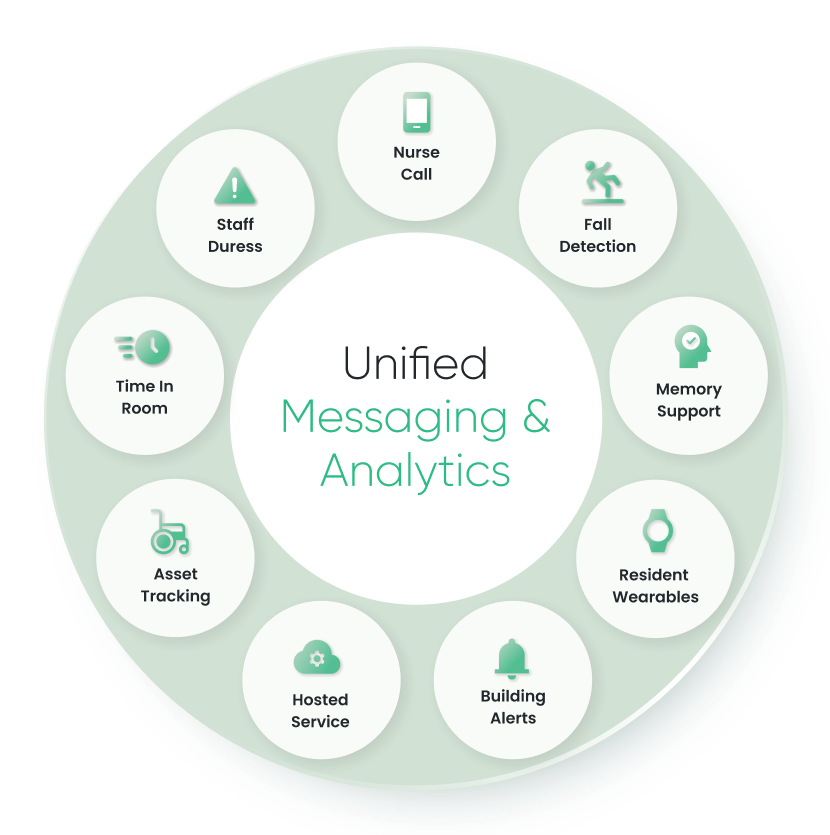
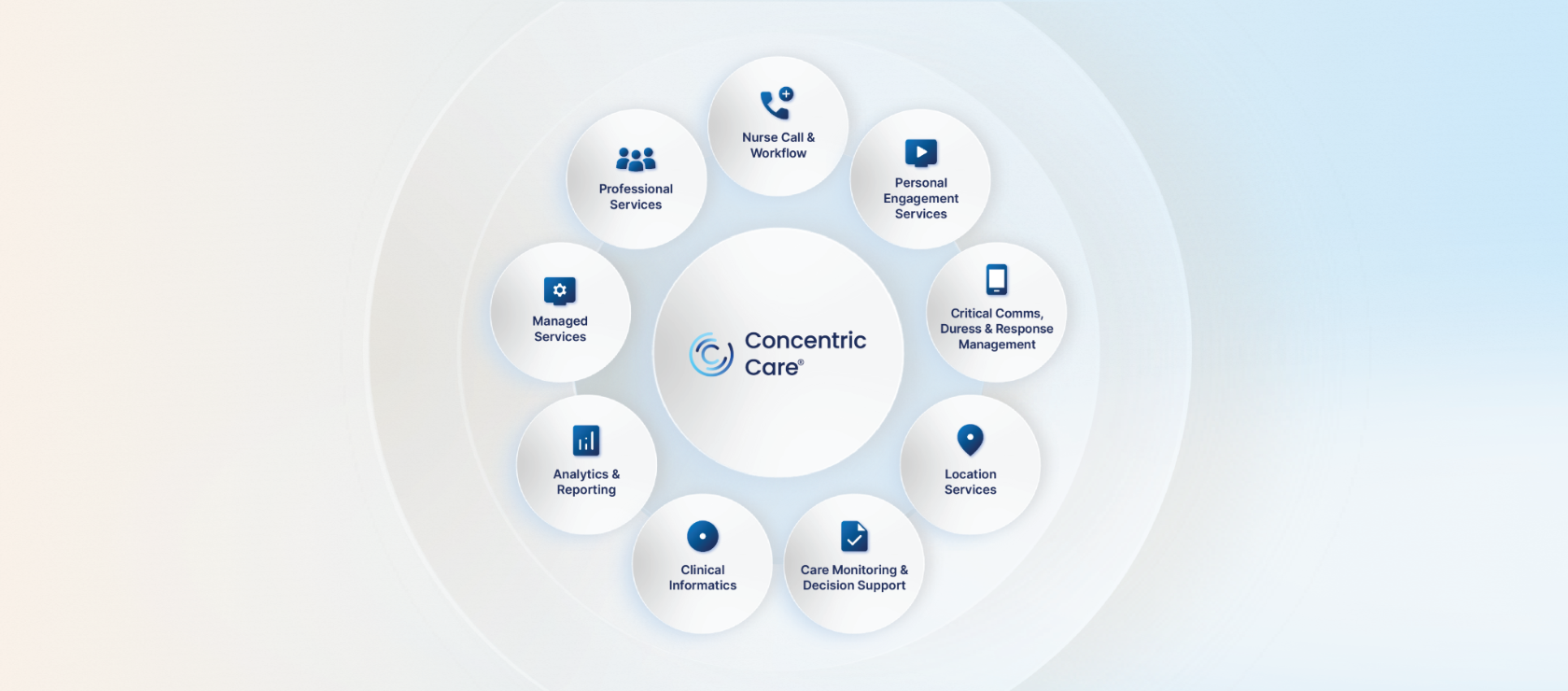
This is why newer platforms, including solutions such as Rauland’s Concentric Care Unify, are attracting attention. Their significance lies less in introducing new technology than in supporting a more integrated way of working that reflects how contemporary aged care is actually delivered.

Built on an open, interoperable architecture, Concentric Care Unify enables seamless integration with existing facility infrastructure. By consolidating critical workflows into a single, intelligent platform, it enables providers to streamline operations, strengthen governance and empower care teams with timely, actionable information. The result is a modernised operational backbone that extends the value of current technology investments while elevating overall organisational performance.

Building the operational foundations for the future of aged care

Aged care is entering a period in which operational capability will become just as important as physical infrastructure. Providers will continue to invest in buildings, workforce and clinical services, but equal consideration must be given to the systems that enable those investments to work together.


Communication, visibility and timely information are no longer administrative conveniences; they have become essential components of safe, coordinated care.


The findings from these 18 facilities should therefore be viewed as more than the results of individual site surveys. They offer a snapshot of a sector in transition, one where the commitment of aged care professionals has never been stronger, but where the systems supporting them are increasingly being asked to do more than they were ever designed to do.


The opportunity now is not simply to modernise technology, but to ensure that the infrastructure underpinning residential aged care evolves with the people, practices and expectations that define modern care itself.

Share:

Related Content

Who We Help
Products
Resources
Our Company
Please enable JavaScript in your browser to complete this form.

General Enquiries

Location
Type of Enquiry

Enquiries

Click or drag files to this area to upload. You can upload up to 5 files.

Please enable JavaScript in your browser to complete this form.

Request more information

Location